
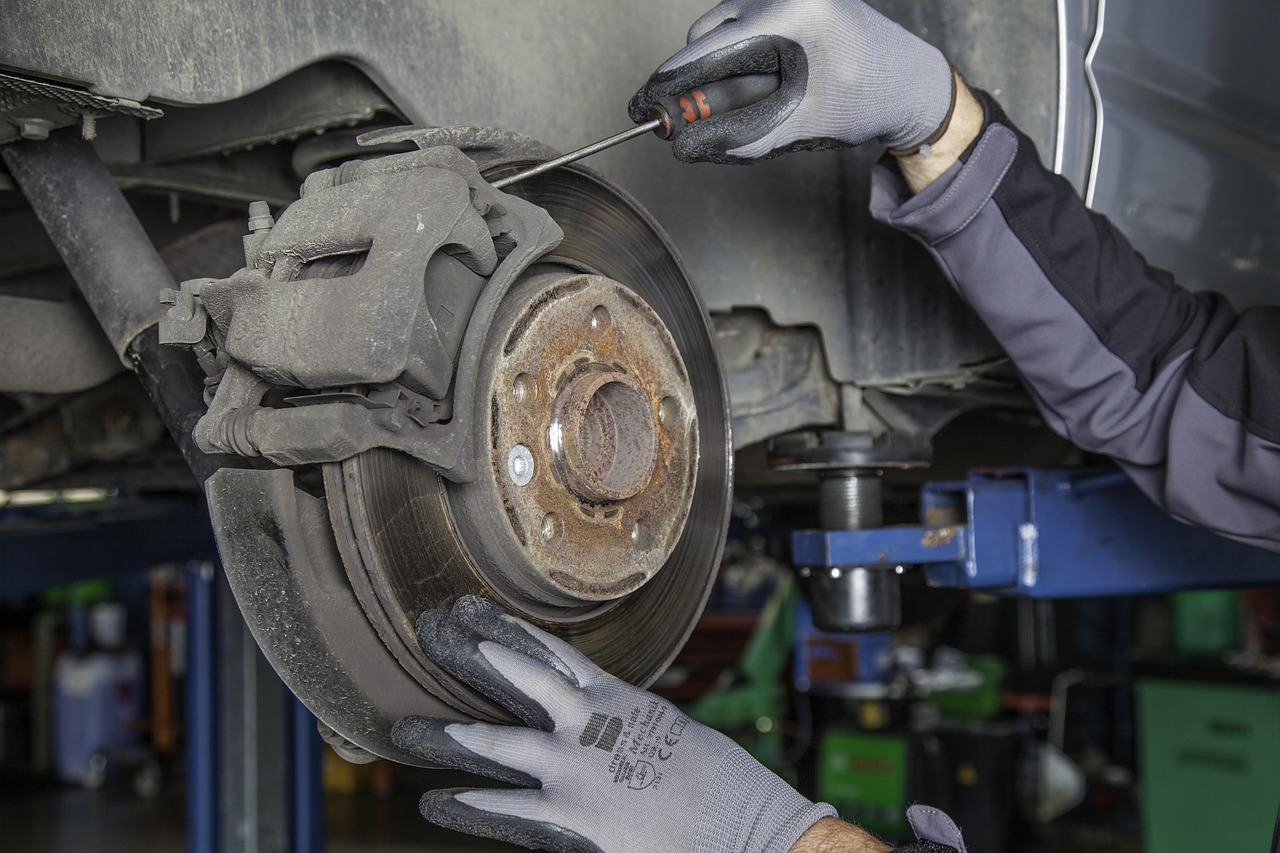
Your car’s brakes are one of the most critical components for ensuring your safety on the road. Ignoring signs of brake trouble can lead to dangerous situations, not to mention costly repairs down the line. Whether you’re driving your vehicle when moving or using a man and van in Streatham for transportation, keeping your brakes in top shape is crucial. Being aware of what those warning signs look like can make all the difference. Let’s dive into four tell-tale indicators that might mean your brakes need immediate attention. Your ride depends on it.
Squeaking or Grinding Noises
 Squeaking or grinding noises when you apply your brakes can be alarming. These sounds often signal that something is amiss with your braking system. If you hear a high-pitched squeal, it might mean your brake pads are worn down. Many modern pads come equipped with wear indicators designed to alert drivers before damage occurs. Grinding noises are even more concerning.
This sound typically indicates that the brake pads have completely deteriorated, allowing metal components to rub against each other. Not only does this reduce stopping power, but it can also lead to costly repairs if left unchecked.
Reduced Responsiveness
When you hit the brake pedal, it should respond instantly. If you notice a lag or a delay, that’s a serious concern. Reduced responsiveness can feel unsettling. You might find yourself pressing harder on the pedal just to achieve the same stopping power. This could indicate worn-out brake pads or issues with your hydraulic system. Pay attention if braking feels soft or spongy. It may signal air in the brake lines or low fluid levels. Both are symptoms that need urgent inspection.
Vibration or Pulsation
If you’re feeling vibrations or pulsations in your brake pedal, it’s a significant warning sign. This sensation can indicate issues with the brake rotors. Warped rotors often lead to uneven contact when you apply pressure. As you slow down, this might manifest as a pulsating feel that disrupts your smooth braking experience. It’s not just uncomfortable; it compromises safety by affecting how effectively your vehicle stops. Don’t ignore these signals—address them promptly. Ignoring such symptoms could lead to more extensive damage and costly repairs down the line. Your car deserves care, and timely attention is key for both performance and peace of mind on the road.
Warning Lights
Your dashboard is a vital communication tool between you and your vehicle. When it comes to brakes, specific warning lights can indicate trouble ahead. It is known that a brake warning light often appears as a mark inside a circle or the word “BRAKE.” Ignoring this signal could lead to serious issues. Another crucial indicator is the anti-lock braking system (ABS) light. If this illuminates, it might mean that your ABS isn’t functioning correctly, affecting overall safety. Don’t overlook these warnings. They are designed to alert you before problems escalate. Taking care of your brakes is essential for safe driving. If you notice any of the signs mentioned—squeaking or grinding noises, reduced responsiveness, vibration or pulsation, or warning lights—it’s crucial to take action immediately. Ignoring these indicators can lead to more serious issues down the road. Always prioritize safety and don’t hesitate to consult a professional if something feels off with your braking system. Regular maintenance can save you time, money, and most importantly, keep you safe on the road. Trust your instincts; when it comes to brakes, it’s better to be cautious than sorry.